Information report for EcC055219.60
Gene Details
|
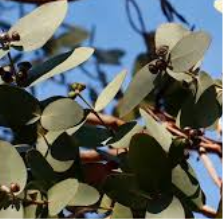
|
Functional Annotation
- Refseq: XP_010027672.1 — PREDICTED: NAC domain-containing protein 82 isoform X9
- Refseq: XP_018718284.1 — PREDICTED: NAC domain-containing protein 82 isoform X7
- Refseq: XP_018718285.1 — PREDICTED: NAC domain-containing protein 82 isoform X8
- Swissprot: Q9FY82 — NAC82_ARATH; NAC domain-containing protein 82
- TrEMBL: A0A059AKK7 — A0A059AKK7_EUCGR; Uncharacterized protein
- TrEMBL: A0A059ALF2 — A0A059ALF2_EUCGR; Uncharacterized protein
- STRING: XP_010027667.1 — (Eucalyptus grandis)
- GO:0005975 — Biological Process — carbohydrate metabolic process
- GO:0006355 — Biological Process — regulation of transcription, DNA-templated
- GO:0006511 — Biological Process — ubiquitin-dependent protein catabolic process
- GO:0006537 — Biological Process — glutamate biosynthetic process
- GO:0009860 — Biological Process — pollen tube growth
- GO:0048768 — Biological Process — root hair cell tip growth
- GO:0055114 — Biological Process — oxidation-reduction process
- GO:0005634 — Cellular Component — nucleus
- GO:0005829 — Cellular Component — cytosol
- GO:0005886 — Cellular Component — plasma membrane
- GO:0030659 — Cellular Component — cytoplasmic vesicle membrane
- GO:0035619 — Cellular Component — root hair tip
- GO:0003677 — Molecular Function — DNA binding
- GO:0004430 — Molecular Function — 1-phosphatidylinositol 4-kinase activity
- GO:0004553 — Molecular Function — hydrolase activity, hydrolyzing O-glycosyl compounds
- GO:0008270 — Molecular Function — zinc ion binding
- GO:0016639 — Molecular Function — oxidoreductase activity, acting on the CH-NH2 group of donors, NAD or NADP as acceptor
- GO:0017137 — Molecular Function — Rab GTPase binding
- GO:0031625 — Molecular Function — ubiquitin protein ligase binding
- GO:0043424 — Molecular Function — protein histidine kinase binding
- GO:0043531 — Molecular Function — ADP binding
- GO:0051536 — Molecular Function — iron-sulfur cluster binding
Family Introduction
- NAM, ATAF, and CUC (NAC) transcription factors comprise a large protein family. Proteins of this family contain a highly conserved N-terminal DNA-binding domain and a variable C-terminal domain (Xie et al. 2000; Duval et al. 2002; Ernst et al. 2004; Olsen et al. 2005). NAC was originally derived from the names of three proteins, no apical meristem (NAM), ATAF1-2, and CUC2 (cup-shaped cotyledon), that contain a similar DNA-binding domain (Souer et al. 1996; Aida et al. 1997). The early reported NAC transcription factors are implicated in various aspects of plant development. A few examples are NAM from Petunia (Souer et al. 1996) and CUC1-2 (Aida et al. 1997) from Arabidopsis which have roles in controlling the formation of boundary cells of the meristem; NAP (Sablowski and Meyerowitz 1998) from Arabidopsis which acts as a target gene of AP3/PI and functions in the transition between cell division and cell expansion in stamens and petals; and AtNAC1 which mediates auxin signaling to promote lateral root development (Xie et al. 2000). Recently, a few NAC transcription factors were reported to play an essential role in regulating senescence, cell division, and wood formation (Ishida et al. 2000; Takada et al. 2001; Vroemen et al. 2003; Weir et al. 2004; Kubo et al. 2005; Kim et al. 2006; Zhong et al. 2006; Demura and Fukuda 2007; Ko et al. 2007; Mitsuda et al. 2007; Zhong et al. 2007).
- NAM, ATAF, and CUC proteins were also found to participate in plant responses to pathogens, viral infections, and environmental stimuli (Xie et al. 1999; Ren et al. 2000; Collinge and Boller 2001; Kim et al. 2007). In Arabidopsis, three NAC genes, ANAC019, ANAC055, and ANAC072, were induced by drought, salinity, and/or low temperature (Tran et al. 2004), and the transgenic Arabidopsis plants overexpressing these genes showed improved stress tolerance compared to the wild type (Tran et al. 2004). Furthermore, proteins of these genes can bind to a ciselement containing CATGTG motif (Tran et al. 2004).
Literature and News
Sequences
CDS Sequence:
- >EcC055219.60|Eucalyptus_camaldulensis|NAC|EcC055219.60
ATGGCGATGAGATCTCTTGCCCCGGGTTTCCGTTTTCACCCTACTGATGTTGAGCTGGTCCTTTATTATCTCAAGAAGAAAGTGCTGGGAAAGAGATTCCGTAATGAAGCAATTGCGGAGGTTGATATATATAATTTTCCTCCTTGGGCTCTTCCAGGTCATGCTCGTTTGAGTAGAGATCTGAAGTGGTATTTCTTCTGTCCCCGTGAGAGGAAATATGCAACTGGCGCTAGAACAAATCGATCAACTGATTATGGGTTCTGGAAAACTACTGGAAATGATAGGCCTGTAATTTACAACGGCAAAACTGTGGGAAAGATAAGAAGCTTAATTTTTCATCGTACTAAGACAGAGCGAACGGATTGGGTGATGCACGAGTATAGGCTTGAGGATGAGGATTTGAAGACGAAAGGGGTGGCTCAGGACACATATGTGCTTTGCGAGATCTATGAGAAAGATGGTCGTGGTCCAAGAAATGGTGCCCAGTATGGAGCACCCTTCAATGAAGAAGAATGGGACGACGACGAAGAAGTTGATGTCCCCTCTGCTAGCGGTTTCACTGGAGAATTTATTTTACCTGATATGCAGCAGCATTCTGAGCGATATTGTGTAGGGTCCACATCTAATGCATGCCCAGCTGGACCACCTCAGATCACGCCTTCTGTTGTCAATGTGCCTGCACCAGCTCCTGCCAATGACGTCACAATGGCGGATTCTCAGAATCTATGTGATGAATATCTTCGTTCAAATGGTATCTTTGGTGACGATATCCCAGCAACATCCTGTGAGAATGACAGAGTTGAG
Protein Sequence:
- >EcC055219.60|Eucalyptus_camaldulensis|NAC|EcC055219.60
MAMRSLAPGFRFHPTDVELVLYYLKKKVLGKRFRNEAIAEVDIYNFPPWALPGHARLSRDLKWYFFCPRERKYATGARTNRSTDYGFWKTTGNDRPVIYNGKTVGKIRSLIFHRTKTERTDWVMHEYRLEDEDLKTKGVAQDTYVLCEIYEKDGRGPRNGAQYGAPFNEEEWDDDEEVDVPSASGFTGEFILPDMQQHSERYCVGSTSNACPAGPPQITPSVVNVPAPAPANDVTMADSQNLCDEYLRSNGIFGDDIPATSCENDRVE