Information report for CCG004152.1
Gene Details
|
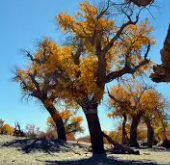
|
Functional Annotation
- Refseq: XP_011013219.1 — PREDICTED: myb-related protein 306-like
- Swissprot: P81392 — MYB06_ANTMA; Myb-related protein 306
- TrEMBL: B9H0F8 — B9H0F8_POPTR; Uncharacterized protein
- STRING: POPTR_0004s12530.1 — (Populus trichocarpa)
- GO:0001666 — Biological Process — response to hypoxia
- GO:0009617 — Biological Process — response to bacterium
- GO:0009626 — Biological Process — plant-type hypersensitive response
- GO:0009723 — Biological Process — response to ethylene
- GO:0009733 — Biological Process — response to auxin
- GO:0009739 — Biological Process — response to gibberellin
- GO:0009751 — Biological Process — response to salicylic acid
- GO:0009753 — Biological Process — response to jasmonic acid
- GO:0042761 — Biological Process — very long-chain fatty acid biosynthetic process
- GO:0005634 — Cellular Component — nucleus
- GO:0003677 — Molecular Function — DNA binding
Family Introduction
- MYB factors represent a family of proteins that include the conserved MYB DNA-binding domain.The first MYB gene identified was the ‘oncogene’ v-Myb derived from the avian myeloblastosis virus . Evidence obtained from sequence comparisons indicates that v-Myb may have originated from a vertebrate gene, which mutated once it became part of the virus. Many vertebrates contain three genes related to v-Myb c-Myb, A-Myb and B-Myb and other similar genes have been identified in insects, plants, fungi and slime moulds. The encoded proteins are crucial to the control of proliferation and differentiation in a number of cell types, and share the conserved MYB DNA-binding domain. This domain generally comprises up to three imperfect repeats, each forming a helix-turn-helix structure of about 53 amino acids. Three regularly spaced tryptophan residues, which form a tryptophan cluster in the three-dimensional helix-turn-helix structure, are characteristic of a MYB repeat. The three repeats in c-Myb are referred to as R1, R2 and R3; and repeats from other MYB proteins are categorised according to their similarity to either R1, R2 or R3.
- In contrast to animals, plants contain a MYB-protein subfamily that is characterised by the R2R3-type MYB domain. MYB proteins can be classified into three subfamilies depending on the number of adjacent repeats in the MYB domain (one, two or three). We refer to MYB-like proteins with one repeat as ‘MYB1R factors’, with two as ‘R2R3-type MYB’ factors, and with three repeats as ‘MYB3R’ factors.
Literature and News
Gene Resources
Sequences
CDS Sequence:
- >CCG004152.1|Populus_euphratica|MYB|CCG004152.1
ATGGGCAGACCACCTTGCTGTGATAAGACAGGAGTGATGAAAGGACCATGGACTCCTGAAGAAGATATCATTTTGGTATCATATATTCAAGAACATGGTCCTGGAAATTGGAGAGCTGTGCCTACTAATACAGGTTTGCTTAGATGCAGTAAGAGTTGCAGGCTGAGATGGACTAATTACCTCAGACCAGGGATCAAACGTGGTAATTTTACCCATAGCGAGGAGAAGATGATAATCCACCTCCAAGCTCTTCTAGGCAACAGATGGGCTACCATAGCTTCATACCTCCCTCAGAGAACAGACAACGACATTAAGAACTATTGGAATACACATTTGAAGAAGTTAAAAAAGCTTCAAGCAGGGCAAGAAGGTCAGTCTAGAGATGGGATATCATCAACAGGTTCACAGCAAATTTCTAGAGGCCAATGGGAGAGGAGGCTTCAAACTGATATCCACATGGCTAGGCAAGCTTTAAGCGAGGCCTTGTCTCCTGAGAAACCAAACAGCTTATTAACTGAGTTGAAACCTTCCTCTGGGTATGAAAAACCGGCTCCAGCATCACTCTATGCATCAAGCACTGAAAACATAGCTAAGTTGCTCAAAGGTTGGATGAGAAGCGGGCCTAACCAGTCCCTAACAAATTCAACAACTCCTCAGAATTCCTTCAACAATATAGCTGTAGCTGATTCATTTTCTAGTGAAGAGACTATAAATAGAGCAGACGAAAATGGCACTGAATTATCAGAGGCATTTGAATCACTCTTTGGTTTTGACTCTTCAAATATAAATTTCTCCCGGTCGTCACCTGATACTGGCCTTCTCCAAGACGAAAGCAAACCAAATTCCAGTGCTCAAGTGCCATTGTCAGTGATTGAGAGGTGGCTATTTGACGAAGGAGCTATGGAAGGGAAAGAGTACCTTAGTGAAGTCACACCAGATGAAAATAATCTCTTCTAG
Protein Sequence:
- >CCG004152.1|Populus_euphratica|MYB|CCG004152.1
MGRPPCCDKTGVMKGPWTPEEDIILVSYIQEHGPGNWRAVPTNTGLLRCSKSCRLRWTNYLRPGIKRGNFTHSEEKMIIHLQALLGNRWATIASYLPQRTDNDIKNYWNTHLKKLKKLQAGQEGQSRDGISSTGSQQISRGQWERRLQTDIHMARQALSEALSPEKPNSLLTELKPSSGYEKPAPASLYASSTENIAKLLKGWMRSGPNQSLTNSTTPQNSFNNIAVADSFSSEETINRADENGTELSEAFESLFGFDSSNINFSRSSPDTGLLQDESKPNSSAQVPLSVIERWLFDEGAMEGKEYLSEVTPDENNLF